
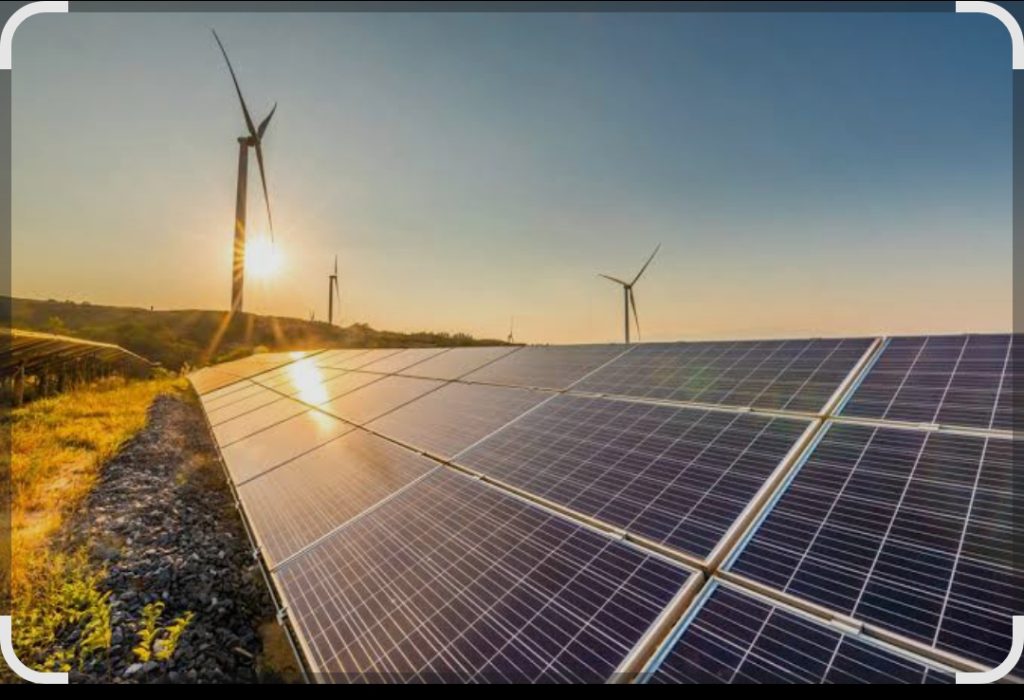
The energy transition is a major strategic challenge for the DRC today, both to address the national electricity desertification and to sustainably develop its energy potential. Despite its potential in hydroelectric and solar resources, the DRC has a centralized energy system and is entirely dependent on aging infrastructure.
With the integration of modern renewable energies being limited, the national electricity company continues to serve most of the country despite several constraints.
It is therefore necessary to examine these structural constraints while considering the likelihood of electricity coverage via fossil fuels in order to better understand the challenges of the national energy transition.
Structure of the National Electricity Company (SNEL): Vertically Integrated or Unbundled
The National Electricity Company (SNEL) is a state-owned company. It operates in a vertically integrated manner in the DRC.
Its role is to produce, transmit, distribute, and sell electricity throughout the national territory.
As a state-owned company, it holds a monopoly on major infrastructure, including dams, high-voltage lines, and distribution networks. It’s worth noting that SNEL has an industrial and commercial character but performs all electrical functions without separating production, transmission, and distribution. Everything is done under a single operator.
Structural Factors Limiting the Integration of Renewable Energies
The Congolese market offers daily alternatives to electricity. Today, in the Congolese capital and even in some economically attractive provinces, alternative products and services to electricity are available.
However, large-scale integration of renewable energies is still not a reality. Several factors explain this obstacle:
- Hydroelectric infrastructure is almost dominant (Inga I and II dams) -The vague nature of the DRC’s political and regulatory framework for renewable energies hinders private investment and the bankability of projects.
–The infrastructure intended to serve as transport channels is outdated, with high technical losses preventing the integration of any other intermittent source.
- Lack of an appropriate tax system for investors – Strong dependence on centralized hydroelectricity (dams) Future of oil, gas, and coal in the DRC’s energy mix According to a study by the Nigeria Climate Innovation Centre, the DRC has oil resources, but domestic production is relatively low and largely geared towards export rather than domestic consumption. According to these researchers, oil use is concentrated mainly in liquid fuels (diesel, gasoline) for transportation and backup power generation, rather than in trade, the primary source of electricity production. Although oil makes headlines, natural gas exploitation is not yet developed on a large scale.
About three years ago, the DRC’s gas blocks were put out to tender, but the market impact was disappointing.
Furthermore, this resource, considered an intermediate low-carbon energy source, could meet industrial demand and replace diesel generators if, and only if, major infrastructure projects emerge.
Regarding coal, it is worth noting that it is not a source of electricity in the DRC despite its predominant use for domestic purposes in rural areas.
Coal is not mined industrially in the DRC due to environmental costs and the low density of exploited deposits. In addition, climate objectives have marginalized coal given the reduction in traditional biomass.
Conclusion
In conclusion, the DRC, in the context of the energy transition, must strengthen its institutional and regulatory framework, modernize its electrical infrastructure, encourage alternative hydroelectric solutions, and facilitate access to renewable energy financing in order to not only reduce the reliance on SNEL (the national electricity company), but also to distribute the roles among each resource that should play a part in clean energy.
Flore KAYALA MUKALA
